

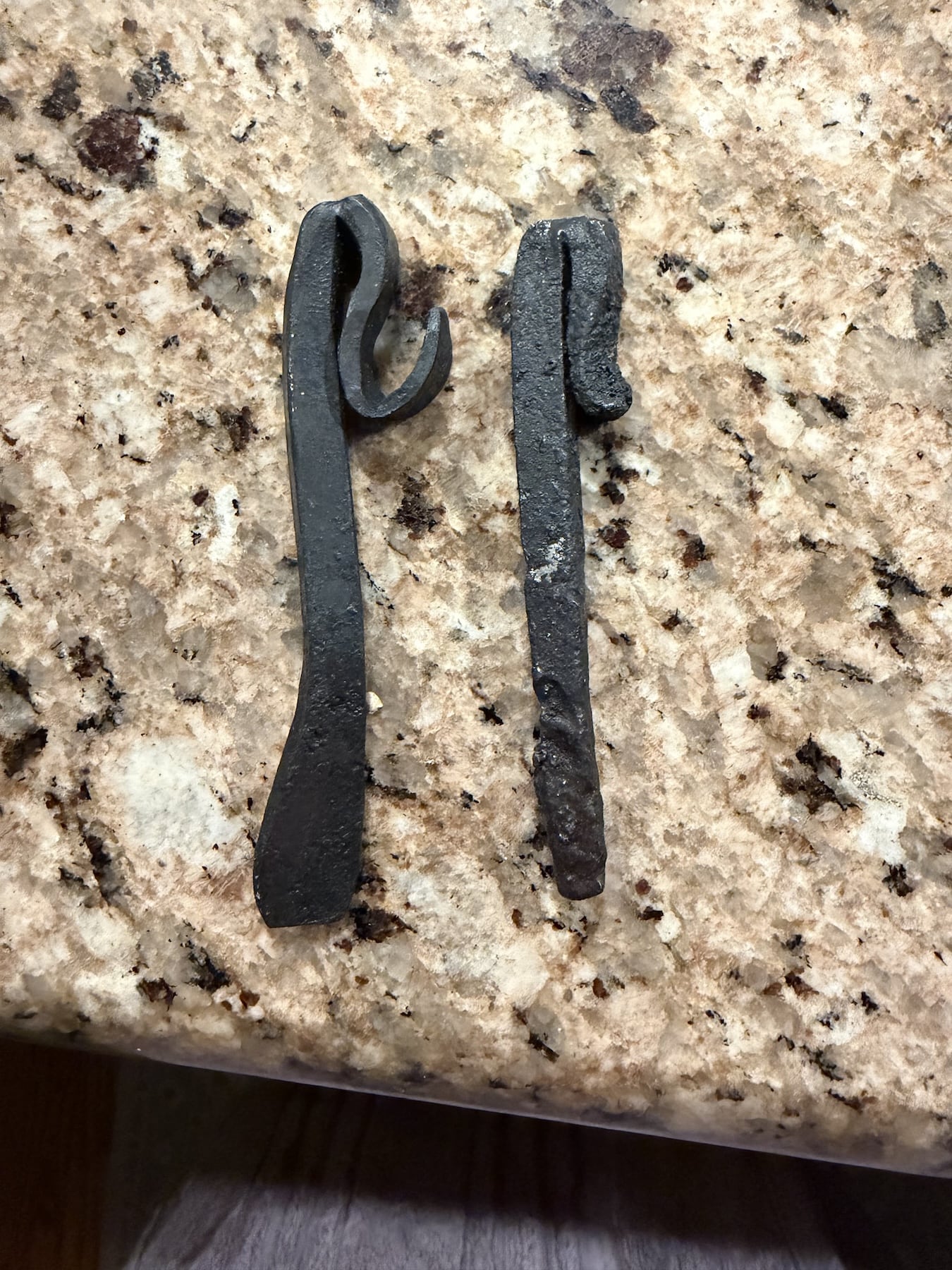
Sheila invited me to a date night down at the Touchstone Center for Crafts in the Laurel Highlands. Touchstone is a 250-acre craft retreat, and she signed us up for a blacksmithing class.
It was a different kind of date night and, frankly, a good excuse to get out of town and do something that did not involve screens, news, or even talking to other people.
Our assignment was to make a bottle opener we could use on the Fourth of July. I learned quickly that blacksmithing requires more concentration than I expected. Putting the steel into the furnace to soften it just enough to work on the anvil was easy enough.
Heat and hammer. Heat and bend. Heat and shape.
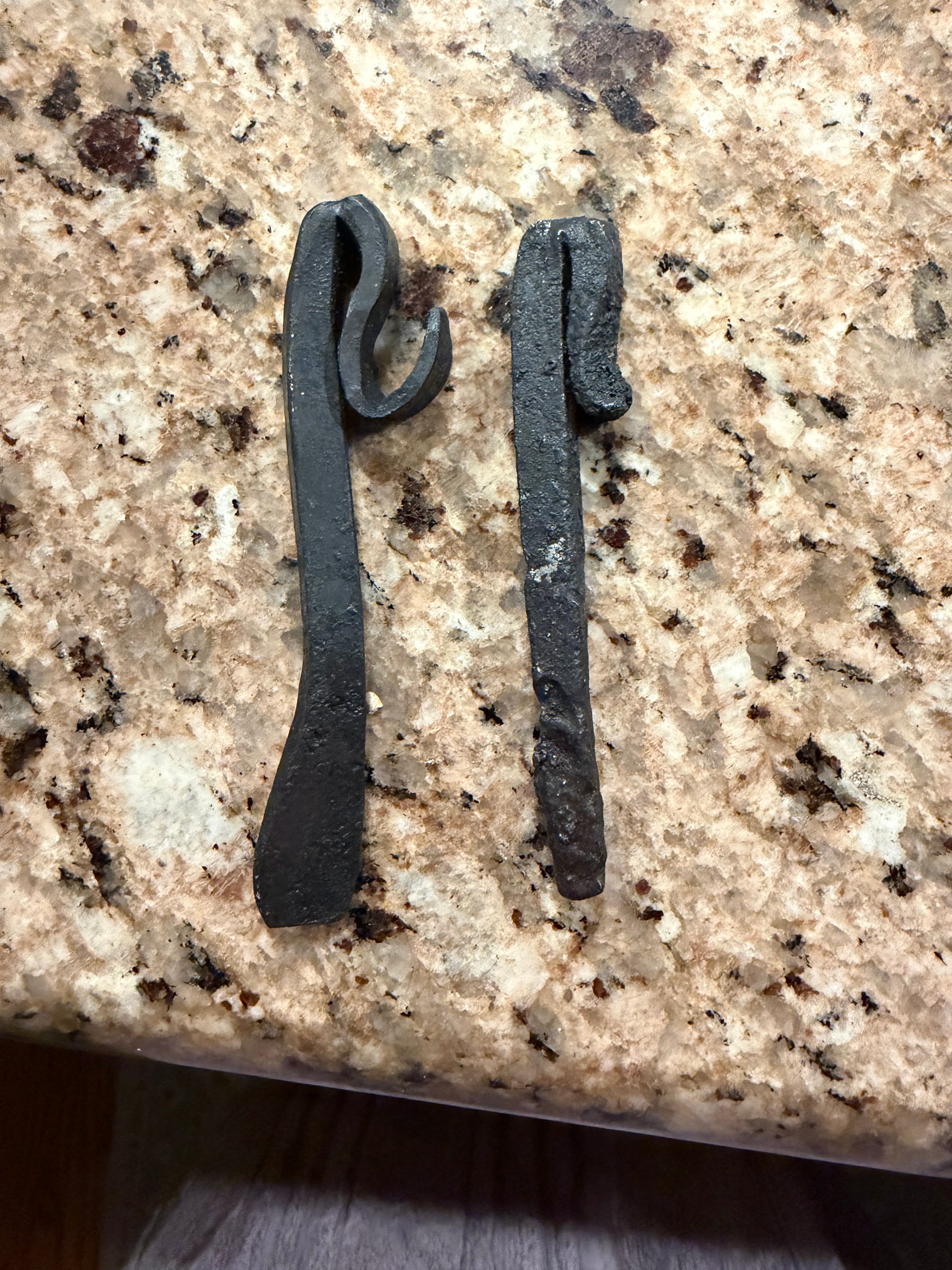
At one point, I turned to watch another couple who were slightly ahead of us bend their steel in a particular way. When I turned back around, sparks were flying out of my furnace. I grabbed the tongs and pulled out what was left of my work of art, only to discover I had overheated the steel and burned off the tip of my opener.
The instructor calmly explained that I wasn’t paying attention and that the fire had taken over the project. Sheila, meanwhile, had been watching her steel the whole time. Hers came out exactly as it should with clean lines, solid weight, ready for the Fourth of July. Mine headed for my personal pile of mistakes.
I have been thinking about that difference ever since.
I’ve always had a bit of an attentional problem. My mind jumps easily from one idea to the next, and staying focused is often a challenge. Friday night reminded me how quickly distraction takes over when you stop paying attention.
Of course, this is not just a blacksmithing issue. It affects my whole life.
On top of my own biology, the amount of stimulation surrounding us today is extraordinary. News cycles never stop. Phones vibrate constantly. Everybody has an opinion, a prediction, or an urgent request, and it keeps our sympathetic nervous system on edge.
Keeping up with all of it takes energy. Eventually, that drain affects even more of my focus, patience, judgment, creativity, and even sleep. Most of the time, I might think of this as burnout after the fact. But I know differently. For me, this is all about what I can do to build up reserve capacities before I face the challenges and the world’s accompanying distractions.
My work in resilience has taught me that the real goal is building reserve capacity before depletion takes over. I’m not always great at it, but I know it matters.
Several of my non-profit CEO clients have recently taken extended sabbaticals lasting three months or longer. That kind of break has never really been available to me, so lately I’ve been thinking more about what I would call the two-hour sabbatical.
A walk in the woods. An early morning workout. Sitting outside for lunch without a phone. Taking a nap on the weekend. Spending time doing something that requires enough attention that the rest of the world temporarily quiets down.
Not to avoid life, but to regain the energy to engage it more effectively.
On Saturday, Sheila and I went hiking in Ohiopyle and wound up on a trail that was steeper and more difficult than we expected. Eventually, we stopped, reassessed the situation, and doubled back rather than pushing through terrain that was becoming more exhausting than enjoyable.
On the way back, I noticed things I had missed the first time around, including a fallen tree with what seemed like hundreds of visible growth rings.
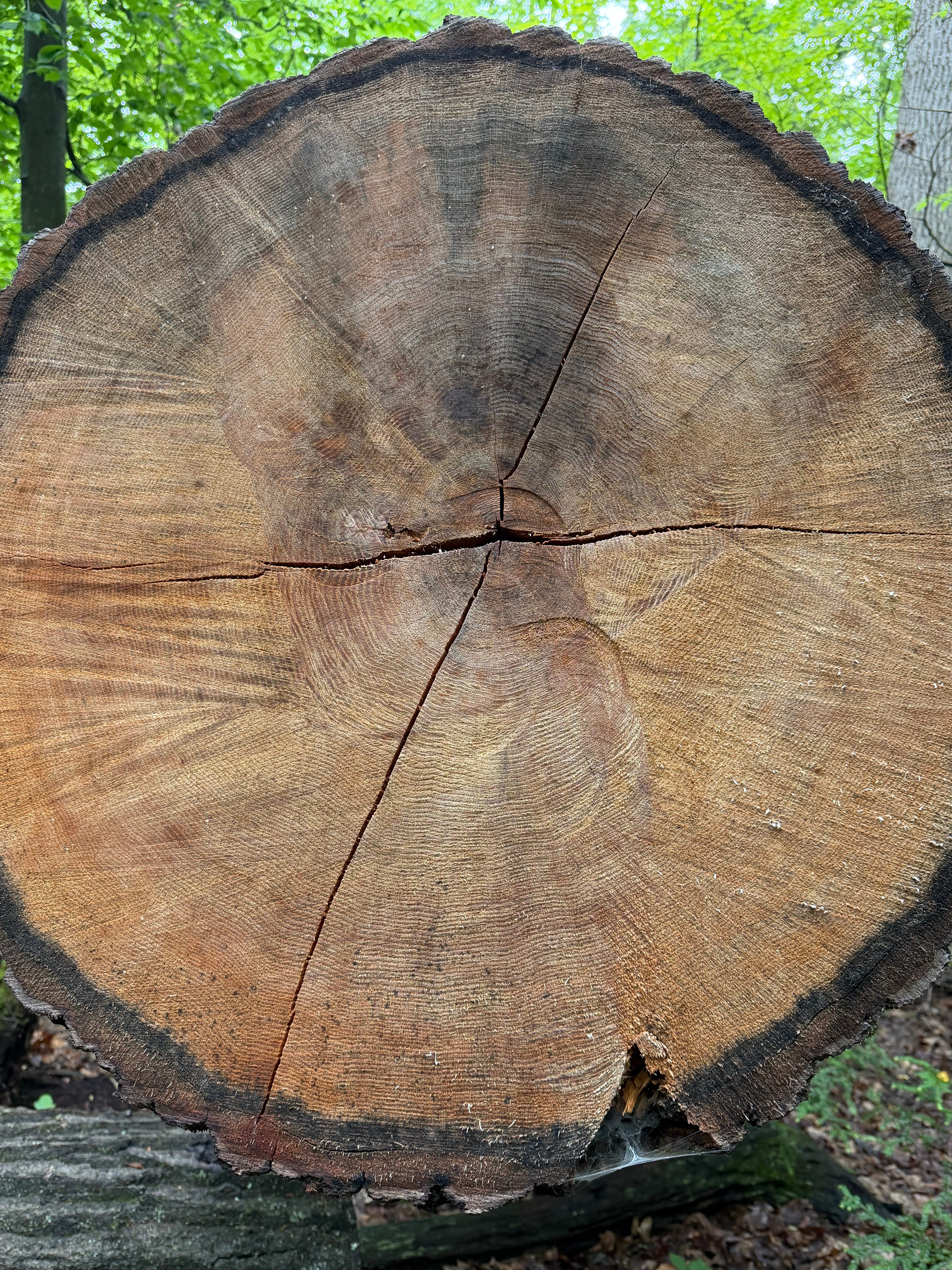
That also struck me as part of hardiness. Strong people are not always the ones who blindly push forward. Often, they are the people with enough reserve capacity and awareness to recognize when they need to slow down, reassess, or simply pay closer attention.
I see the same pattern in my work with leaders. Overloaded. Reactive. Staying connected because responsiveness starts to feel like productivity. But activity is not the same thing as effectiveness. Depletion doesn’t announce itself. It builds one skipped pause at a time, until patience, judgment, and focus are the first things to go.
Eventually, the fire gets too hot.
I keep coming back to what happens to steel when a blacksmith gets it right. Heated, worked, cooled. Heated, worked, cooled again. That repeated cycle is what makes steel hard. Not the heat alone, and not the cooling alone, but the rhythm between them. Steel that’s only ever heated stays soft and shapeless. Steel that’s never heated at all stays brittle and cracks under pressure. The strength comes from moving between the two, deliberately, with someone paying attention the whole time.
I don’t think people are so different. The hardiness I’m describing isn’t about avoiding heat or living in constant intensity. It’s the rhythm of engaging fully and then stepping back, over and over, so that neither one dominates. My burned-off bottle opener wasn’t ruined by heat. It was ruined because I wasn’t watching the fire.
I’ve got the burned tip to remind me. Next time, I’ll plan on noticing the sparks before the fire decides for me.
